
ArticlesMatch Report
Salou 2026: A Qualification Bracket, Four Country Lessons
The tournament’s most consequential contest was the fifth-place game, where Italy secured Europe’s final ticket to the 2027 World Lacrosse Sixes Championships. Beyond the medal round, the final standings set four different tests for the Netherlands, Austria, host Spain and Portugal: missed access, a narrow placement, home-floor expectations and a first win that arrived only on the last day.
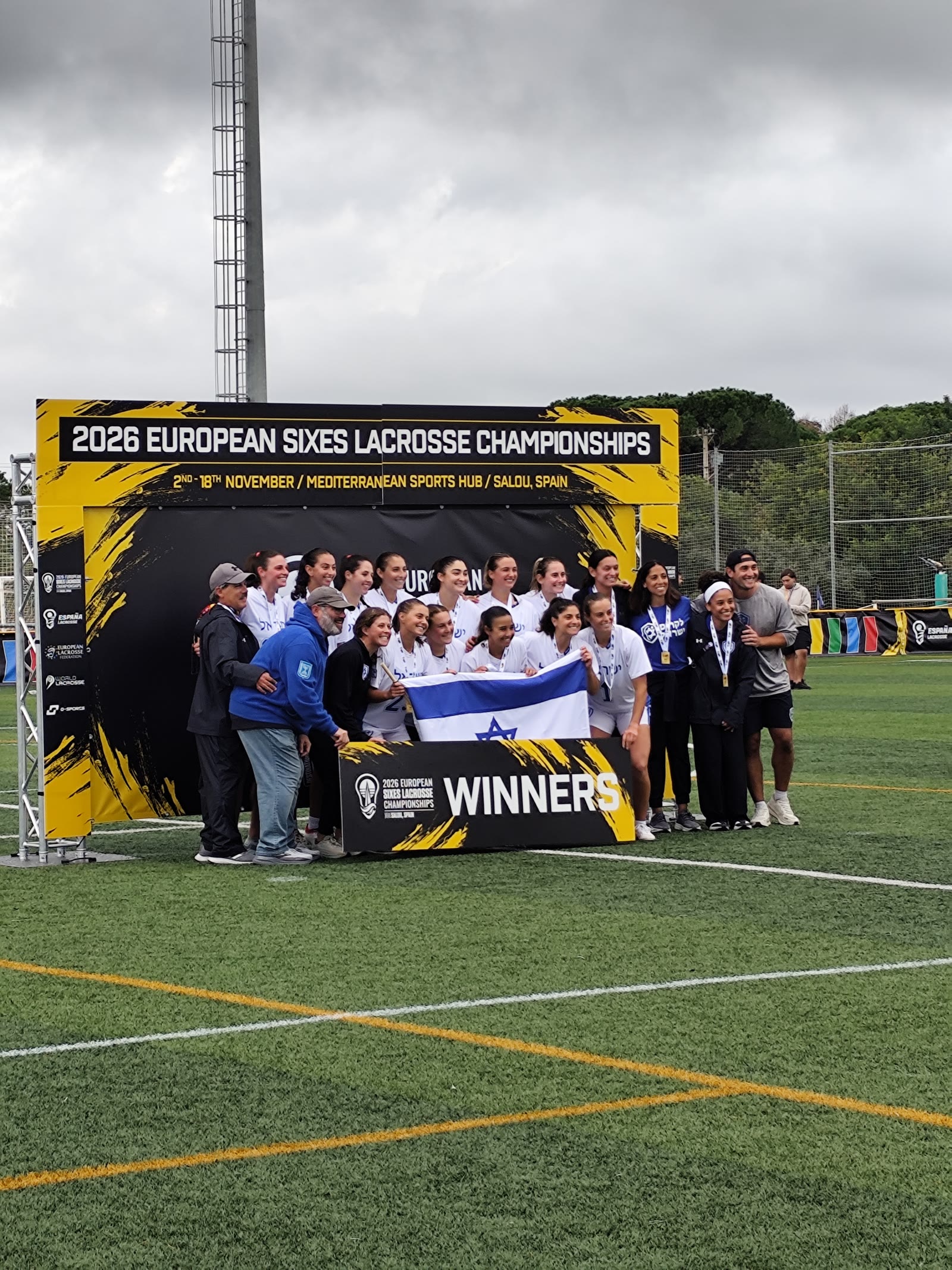
The format made fifth place a qualification final
Salou brought together 18 women’s national teams for the European Sixes Championship. The top two from each pool advanced to the quarterfinals. Those quarterfinals divided the tournament into two distinct races: the four winners qualified directly for the 2027 World Lacrosse Sixes Championships, while the four defeated teams entered a placement bracket for fifth place. The winner of that bracket claimed Europe’s final berth.
That structure gave the fifth-place match a different competitive value from a conventional placement game. Italy’s 21–10 win over Ireland did not produce a medal, but it decided who would represent Europe at the next world championship. The four quarterfinal winners—Israel, Great Britain, Czechia and Germany—had already secured their places. Italy completed the five-team European contingent.
The 2027 World Sixes Championships are a major stage in the pathway toward Los Angeles 2028. Teams can qualify directly for the Olympics from that event, but Salou itself did not award Olympic places. The distinction matters: the five European teams earned world-championship access, and the later world event is where direct Olympic qualification is available under the World Lacrosse event format.
- 18
- Teams. Women’s national teams entered the European championship.
- 4
- Direct qualifiers. Quarterfinal winners advanced to the 2027 Sixes Worlds.
- Italy
- Last European place. Won the fifth-place game 21–10 against Ireland.
- Worlds first
- Olympic distinction. Salou qualified teams for 2027; it did not award LA28 places.
The final day reset the meaning of the standings
Israel beat Great Britain 11–10 in the gold-medal game. The teams were tied 10–10 for more than six minutes before Racheli Levy-Smith scored the winner with 2:08 remaining. Israel goalkeeper Orly Sedransk then kept Great Britain scoreless for the final 8:26 and made 12 saves. The match was close in score, but its ending showed the difference between a tied game and control of the final sequence: Israel created the winning goal, then protected the lead.
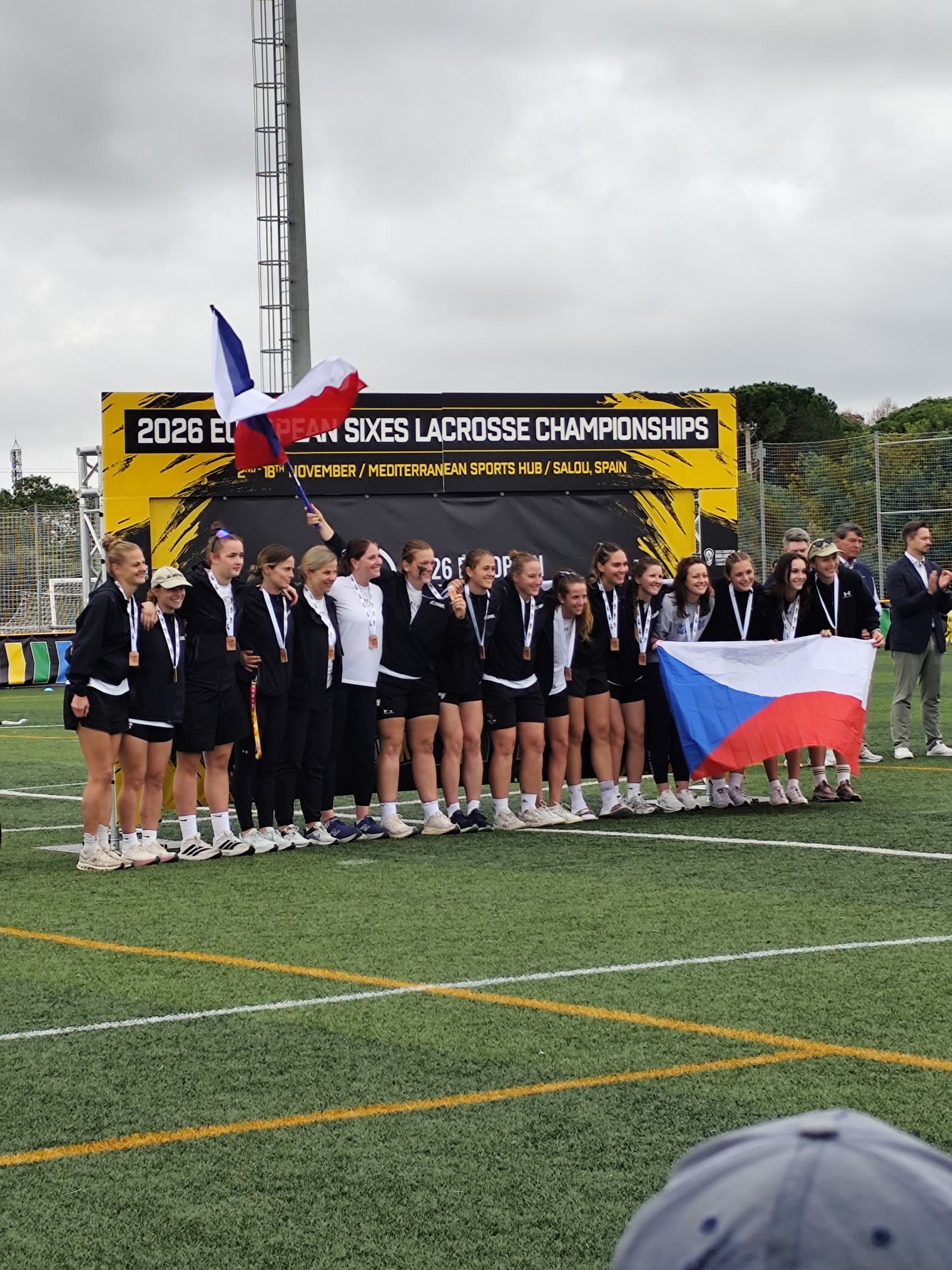
Czechia took bronze with a 10–7 win over Germany, breaking a 4–4 tie with three consecutive goals. In the fifth-place game, Italy beat Ireland 21–10. Italy’s Anna Rivetti scored five goals and added an assist; Lauren Perfetto recorded three goals and four assists. Ireland’s Jane Howlett scored four. The result secured Italy’s World Championship place and left Ireland sixth.
| Final standings | Team | Implication |
|---|---|---|
| 1 | Israel | Gold; qualified for 2027 Sixes Worlds |
| 2 | Great Britain | Silver; qualified |
| 3 | Czechia | Bronze; qualified |
| 4 | Germany | Qualified through quarterfinal |
| 5 | Italy | Won final European qualification place |
| 6 | Ireland | Missed final European place |
| 7 | Netherlands | Finished outside the qualifier places |
| 14 | Austria | Won one placement game; finished 14th |
| 15 | Spain | First win came in the 15th-place game |
| 17 | Portugal | First win came in overtime on the final placement day |
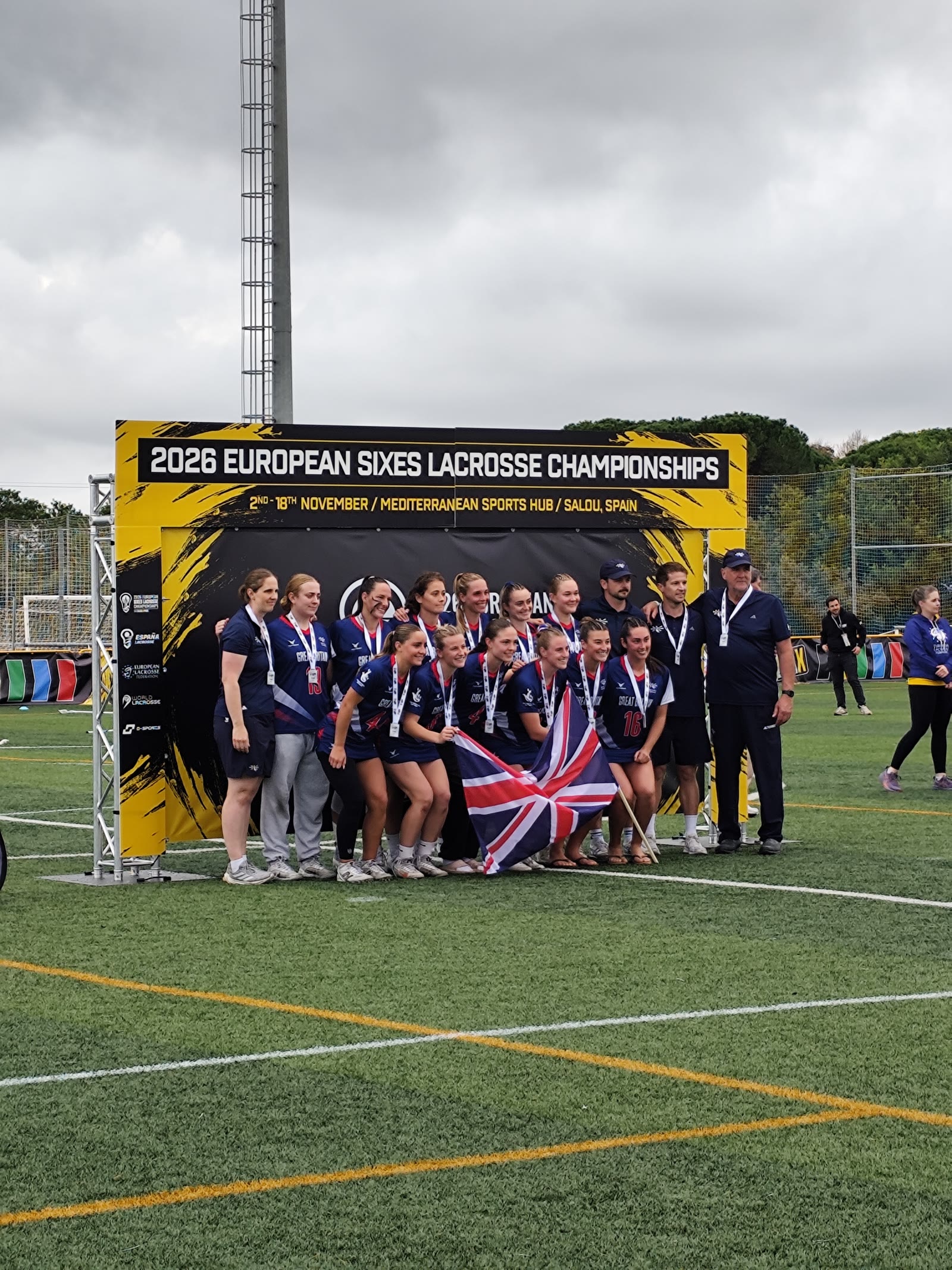
World Lacrosse’s final-day report confirms the gold, bronze and qualification results. The event’s day-seven report records the decisive placement wins for Spain and Portugal.
Netherlands: pool strength did not survive the bracket
The Netherlands finished second in Pool D and reached the quarterfinals, placing itself among the last eight with a route to direct qualification still open. Its 18–3 pool win over Austria was emphatic: Sarah Sweerts de Landas Wyborgh scored five goals and added an assist, while Janneke Bokkes and Melle van Dilgt each scored three. Goalkeeper Friede Berendsen made 12 saves.
The quarterfinal ended that direct route. The Netherlands then lost 11–8 to Ireland in the 5–8 placement bracket, which removed the final qualification opportunity. It recovered to beat Poland 13–11 for seventh place. The sequence matters: the Dutch team’s pool performance was not enough to establish itself among the European qualifiers, but it did finish the tournament with a win against a fellow quarterfinalist.
Seventh place therefore marks a ceiling for this edition, not a collapse. The Netherlands demonstrated a capacity to score in pool play and to recover after two high-stakes defeats. The internal question is whether its attacking production can travel from mismatches and pool games into knockout possessions against the teams that control pace and finish close contests. The tournament’s result is a clear ranking position—outside the World Championship field—with a credible basis for building toward the next cycle.
Austria: a placement win, but no break into the upper tier
Austria finished 14th, below the top 12 and well outside the qualification bracket. Its pool-stage loss to the Netherlands was 18–3, a score that underlines the difference between the two programmes on that day. Austria did earn a win in the 13–16 placement path, but it could not turn that result into a place above 14th.
The placement win matters because it gives Austria evidence of competitiveness in the lower half of the field, while the overall finish shows that the team did not sustain that level across the event. With no access to the qualification bracket, the relevant measure is not simply the gap to the champion. It is whether Austria can reduce the distance to the teams around it, especially in transition defence and the conversion of settled possessions against opponents who press at Sixes speed.
Austria’s next step is to turn isolated placement success into repeatable performance. The standings establish a boundary: it was not yet close to the eight quarterfinal places, much less the five World Championship berths. The useful outcome from Salou is a more exact target for the next preparation cycle, not a claim that a single win signals arrival.
Spain: hosting raised visibility, not the competitive floor
The host finished 15th of 18. Spain entered placement play without a win, then lost to Norway before beating Croatia 15–6 in the 15th-place game. Olivia Docal produced three goals and four assists, while Natalia Ogando Ayluardo made 17 saves.
That final win changed Spain’s tournament from winless to a positive finish, but it did not erase the structural gap exposed by the pool stage. The host had one clear closing performance; it did not reach the quarterfinals or become a factor in qualification. Hosting gave the programme local visibility, competition experience and a public reference point. It did not itself produce a competitive advantage large enough to overcome the gap to the leading eight.
The distinction is important for the host programme. A 15th-place finish is not a verdict on long-term potential, but it is a baseline. Spain now has a home event to study in detail: how often it lost possession under pressure, how well it defended transitions and whether the 15–6 finish reflected a repeatable attacking structure or a favorable placement matchup. Possession and shot data are not published, so those questions remain open.
Portugal: one comeback win, still a 17th-place campaign
Portugal finished 17th, with its first win arriving in the final placement game against Finland. The 12–11 overtime result was a genuine closing performance: Portugal trailed 11–9, scored the last three goals, and Sage Da Silva tied the game with 12 seconds left before scoring the overtime winner. She finished with five goals.
The comeback shows that Portugal could create and convert under late pressure. It does not make the overall campaign competitive with the middle or upper tiers. Portugal had spent the tournament in the lower placement bracket; its one-goal overtime win changed the final ranking and supplied a valuable pressure-tested sequence, but it did not alter its broader standing in European Sixes.
For Portugal, the lesson is to build around the traits the final game displayed—late-game composure and the ability to find a scoring route—while raising the team’s floor earlier in the tournament. The next step is not to reproduce one dramatic finish; it is to create more possessions that keep games within reach before the final minute.
What the standings reveal about the European system
Salou did not produce a simple ranking of national programmes. It exposed several different levels of readiness. Israel won the title through a late defensive stand in a one-goal final. Great Britain reached the final and was held scoreless over its closing 8:26. Czechia converted a tied bronze game into a three-goal break. Germany qualified despite taking bronze-game defeat. Italy was not one of the four quarterfinal winners but won the match that mattered most for the final European place.
Further down the table, the Dutch seventh-place recovery suggests a programme able to reach the knockout stage but not convert that entry into qualification. Austria’s 14th and Spain’s 15th expose the distance between attending a championship and making the quarterfinal field. Portugal’s 17th-place overtime win demonstrates a useful individual performance and comeback pattern, but one game cannot stand in for tournament-wide competitiveness.
What Salou changes
Italy’s 21–10 win over Ireland made fifth place the decisive qualification match, and completed Europe’s 2027 Sixes Worlds field: Israel, Great Britain, Czechia, Germany and Italy. Israel’s 11–10 final win created the new title benchmark; Sedransk’s late shutout of Great Britain protected it. For the four countries examined here, the standings are more specific than a generic “development” label. The Netherlands reached the last eight but finished seventh; Austria secured one placement victory and placed 14th; Spain converted home advantage into a final-day win but placed 15th; Portugal’s late comeback delivered 17th and its first win.
The score changes the next questions. The Netherlands must translate pool success into knockout control. Austria must make its better spells repeatable. Spain must turn hosting exposure into a higher competitive floor. Portugal must bring its late-game resilience into earlier rounds. Salou supplied each programme with a public benchmark; the next cycle will show which one can move it.
Sources
- World Lacrosse event page and competition format: pool structure, five European World Championship places, and the relationship to the 2027 event.
- World Lacrosse final-day report: final standings, medal matches, Italy–Ireland score, qualifiers and key performances.
- World Lacrosse day-seven report: Spain–Croatia and Portugal–Finland placement wins, scorers and goalkeeper saves.
- World Lacrosse day-six report: Netherlands–Ireland placement result and goalkeeping figures.
- World Lacrosse pool-stage report: Netherlands–Austria result and team-level performances.
- Pointbench tournament statistics and game sheets.
Placements follow World Lacrosse’s official final standings. Possession, shot-quality and playing-time figures are not published for these four teams; the analysis rests on scores, standings and the statistics quoted in the reports.
Continue reading
React to this article
A correction, a missing club, a source we should read: tell the desk.
Write to FTL